Data-Driven Pricing
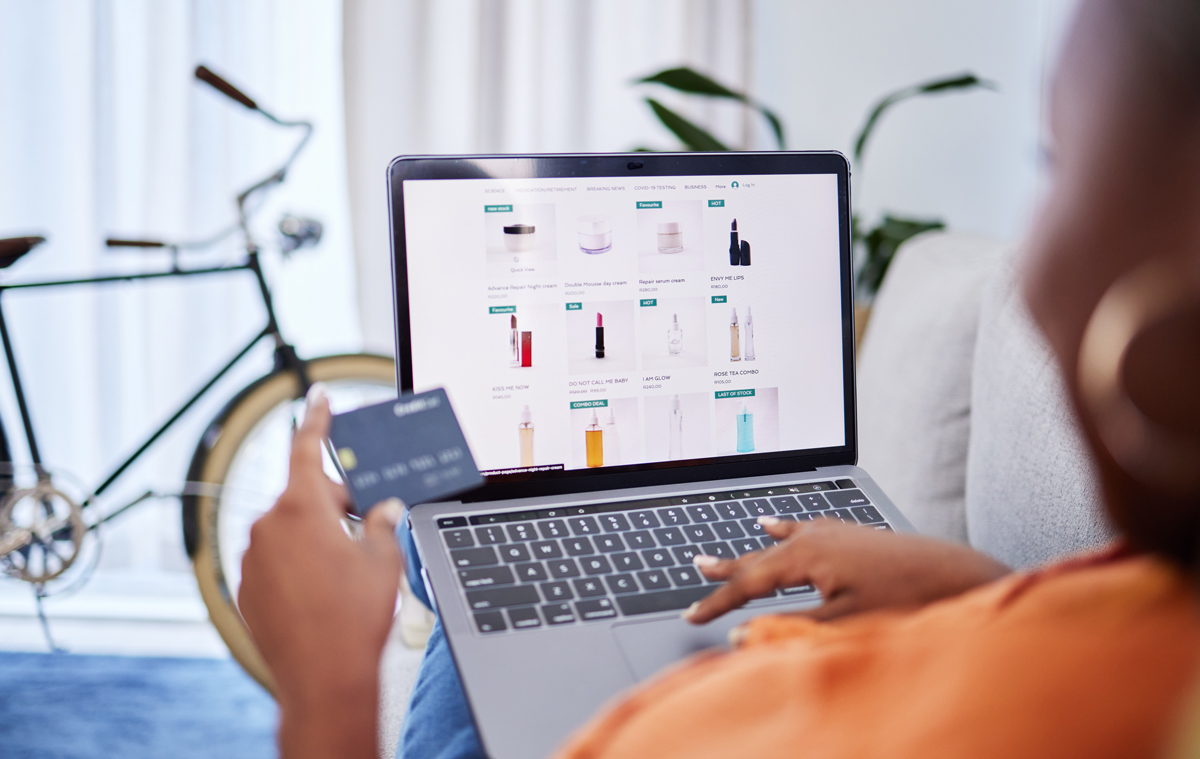
Small businesses use basic customer data to offer discounts and promotions that help them attract customers, build loyalty, and compete. Loyalty rewards, welcome offers, price-drop alerts, and abandoned-cart discounts are everyday tools that benefit businesses and consumers alike.
The Problem: So-called “surveillance pricing” legislation can define data-driven pricing so broadly that it sweeps in these routine promotions. Blanket restrictions on the use of customer data could limit the point-of-sale, e-commerce, advertising, and loyalty tools small businesses rely on every day.
Most small businesses are not building sophisticated pricing algorithms. They use third-party platforms and tools that make it easy to offer promotions, such as sending a discount to a customer who left an item in their cart or rewarding a repeat customer. Small businesses should not be penalized for using these basic tools, or forced to navigate different definitions and requirements from state to state.
The Impact: Data-driven promotions help small businesses turn prospective customers into buyers and one-time customers into loyal patrons. Restricting these tools would make it harder and more expensive for small businesses to compete, while potentially eliminating discounts that consumers value.
Small Business Bottom Line: Policymakers should distinguish between potentially harmful uses of sensitive personal information and the ordinary data-driven discounts and promotions that small businesses and their customers use every day.