Private Rights of Action Can Incentivize Frivolous Lawsuits Against Small Businesses
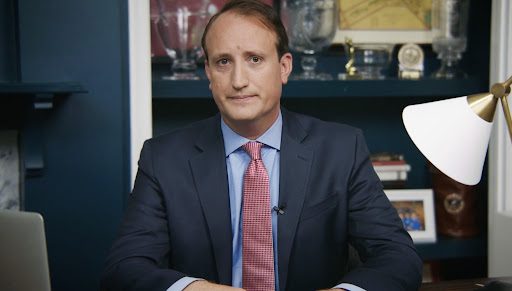
3C talks to ADA compliance expert Nayan Padrai about private rights of action
3C: Tell us about your business, EcomBack. What services does it offer?
Nayan: EcomBack audits and fixes websites so they’re accessible to users with visual, motor, or hearing impairments. Our work is guided by the Web Content Accessibility Guidelines (WCAG), ensuring our clients’ sites are fully compliant with the Americans with Disabilities Act (ADA). EcomBack’s goals are twofold: first, to offer full website accessibility for disabled users; and second, to protect clients from frivolous ADA lawsuits.
3C: How did you get started in the ADA compliance business?
Nayan: That’s a bit of a story. I actually own several other online businesses selling customizable merchandise — things like hats, t-shirts, and tote bags. We sell most of our products wholesale to other businesses, but we also sell to consumers through our Shopify-powered website and major retail platforms like Walmart and Amazon.
In 2022, we were sued by a New York-based lawyer who claimed one of our websites was inaccessible to his disabled client. It was a classic private right of action-enabled “sue and settle” situation of the kind that’s been highlighted in The Wall Street Journal and The New York Times.
3C: For readers who aren’t familiar with private right of action-enabled lawsuits, can you explain what they are?
Nayan: Sure. So, some legislation lets private citizens sue businesses for noncompliance with the relevant law. It’s called a private right of action, or PRA. The logic behind PRAs is that they empower consumers to enforce the law.
In practice, however — and depending on how they’re written — PRAs can incentivize frivolous lawsuits against small businesses. In California, for instance, individuals can sue a business for significant financial damages by alleging that the business’s website is noncompliant with the ADA. Obviously, most individuals don’t have the time or interest to do that. But there are a few law firms that scour the internet for small businesses to sue — generally for some minor technical infraction — for tens of thousands of dollars. Then they offer the business an out-of-court settlement for something like $20,000. Small businesses generally don’t have the money to fight the suits in court, so they pay the settlement.
3C: You know a lot about private rights of action!
Nayan: Well, I was incredibly upset by the suit that was filed against our business. At the time, we were actually in the middle of upgrading my website to ensure its accessibility. I had a brother who was disabled, and I really understood the importance of accessibility. I also have a background in film, so I have made a documentary movie called “Blind Sighted” about the ADA-lawsuit business which will come out soon.
3C: If you could sit down with lawmakers who influenced PRAs, what would you tell them?
Nayan: Too often, a PRA simply actually means ceding enforcement power to profit-motivated law firms. If the government really wants to protect the rights of the disabled, or any other marginalized group, they should have the mechanisms in place to do it themselves in a fair manner.
If lawmakers truly think a particular law is best enforced through PRA, they need to structure the PRA so it doesn’t incentivize frivolous lawsuits. California’s Unruh Act (their version of the ADA) PRA offers the perfect example of what not to do. Not only can individuals sue for high-dollar damages, but the PRA only works in one direction. That is, if a business is found to be noncompliant, it has to pay damages plus the plaintiff’s legal fees. But if a law firm files a bogus lawsuit that costs a business tens of thousands of dollars to resolve, the firm doesn’t have to pay the business’s legal fees. So there’s no downside to filing a suit. The fact is the ADA has been weaponized.
Every single lawmaker in this country campaigns by saying, “small businesses are the lifeline of our economy.” I 100% agree. So my question to lawmakers is, why are you putting small businesses in harm’s way? Why not create laws that the government can enforce, and educate business owners as to how they can comply? That way, you could truly protect people who need protecting.
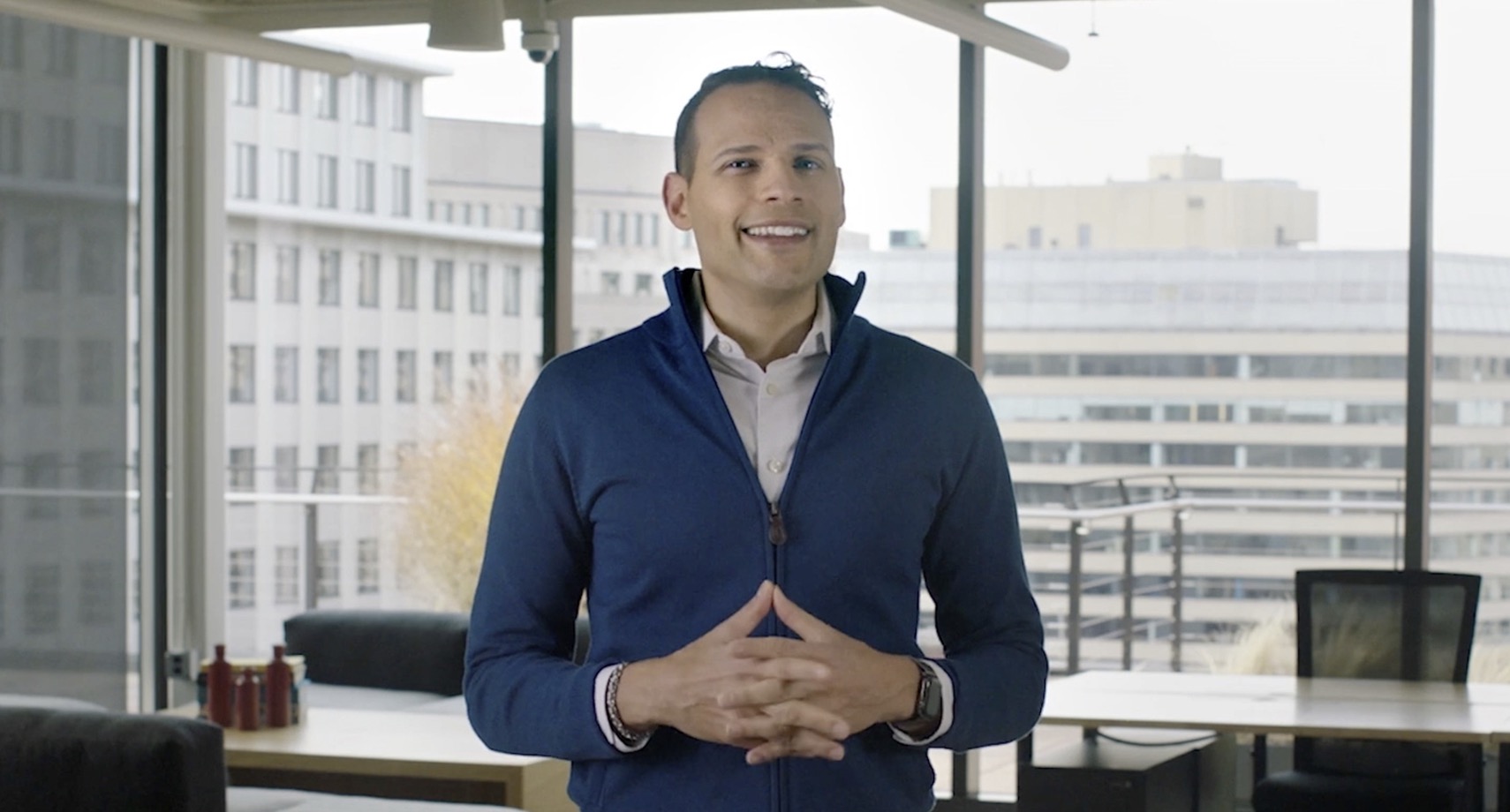
Nayan Padrai is the founder of Chatsworth, CA-based EcomBack.