What Data Privacy Policy Means for America’s Small Businesses in 2026
It’s National Data Privacy Week — a time to focus on how data privacy policy affects not just consumers, but the millions of small businesses that use digital tools to reach and understand their customers, grow, and compete in the digital economy.
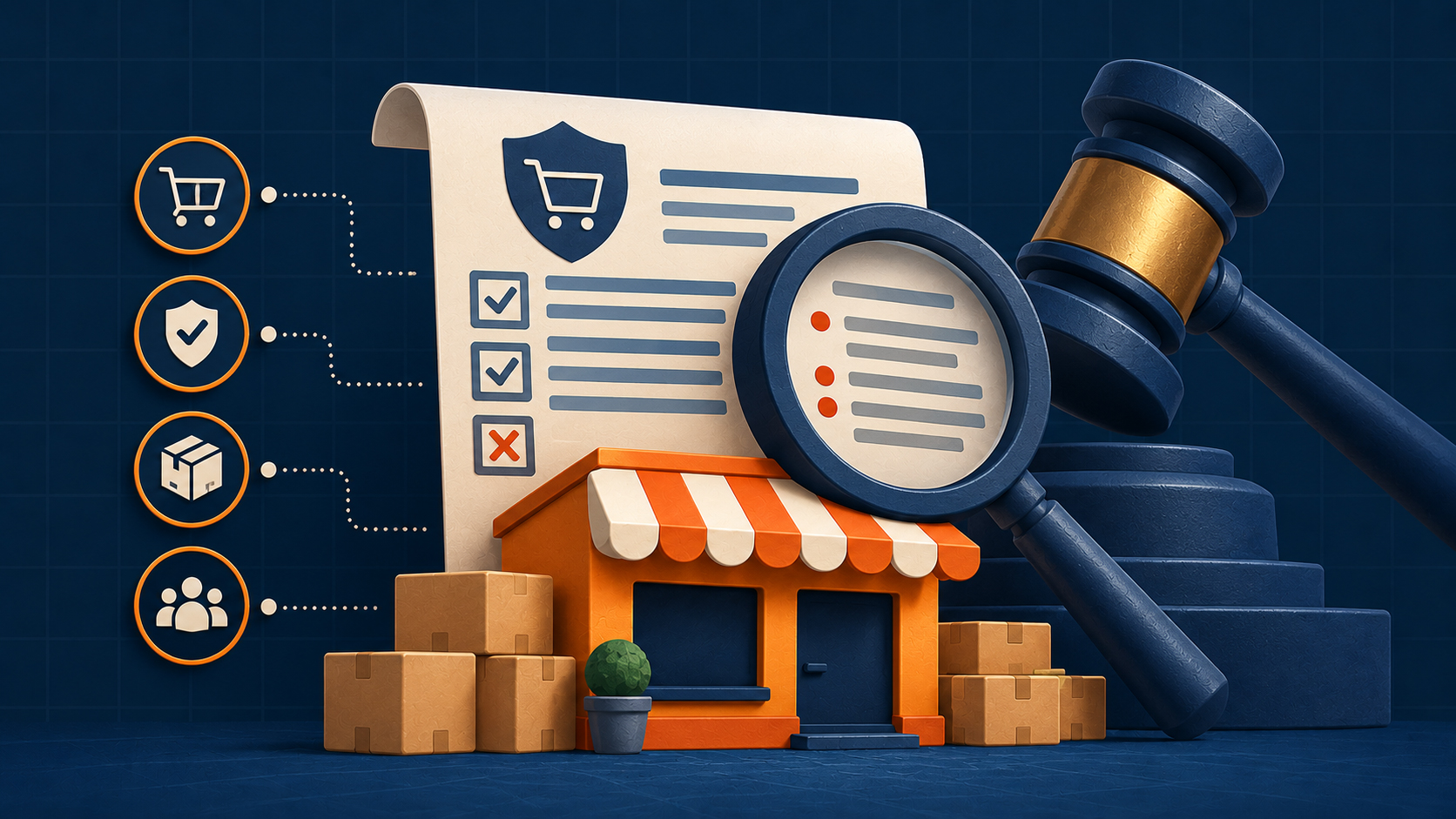
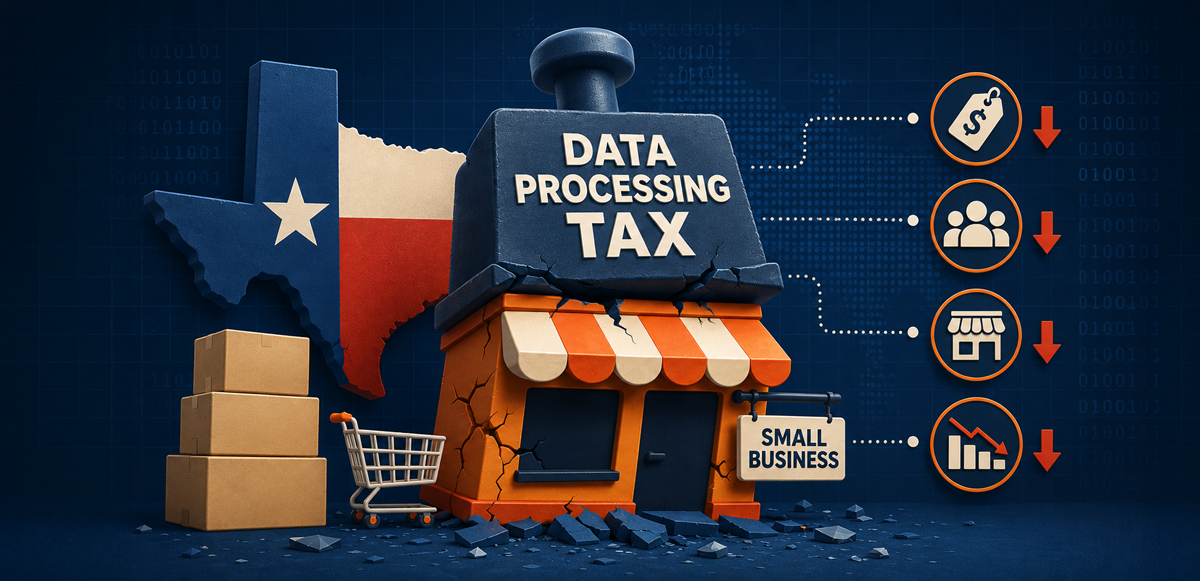
In the absence of a single national privacy standard, lawmakers across the country are considering — and passing — strict new state data privacy laws that dramatically limit how businesses can collect and use basic customer data. While these efforts are often well-intentioned, some proposals — especially those with extreme data restrictions, like Maryland’s MODPA — risk seriously disrupting online advertising, marketing, and analytics. For small businesses, those disruptions translate into higher costs and less effective customer outreach, making it harder to grow and compete.
Today, small businesses that operate nationally must navigate a confusing patchwork of 20 different state privacy laws, each with its own requirements, thresholds, and penalties. This lack of consistency creates real challenges. Most small businesses don’t have legal teams or compliance departments — forcing owners and staff to spend their limited time and money managing complex data-sharing rules, vendor contracts, and disclosure requirements, rather than serving customers or expanding their operations.
To protect consumers and allow small businesses to thrive, Congress must pass balanced, comprehensive, federal data-privacy legislation that simplifies compliance and supersedes conflicting state laws. Small-business leaders have already played an important role in shaping this conversation, and continued advocacy will be critical in encouraging Congress to enact such legislation.
Across the country, small-business leaders are speaking up as states pursue their own approaches to data privacy in the absence of a federal standard.
In Massachusetts, Erica Goldstein of The Blank Canvas Co. and Adebukola Ajao of Destiny African Market each wrote op-eds warning that overly restrictive data rules could make it harder for businesses like theirs to connect with their customers — reducing the effectiveness of their advertising and marketing efforts, and driving up costs.
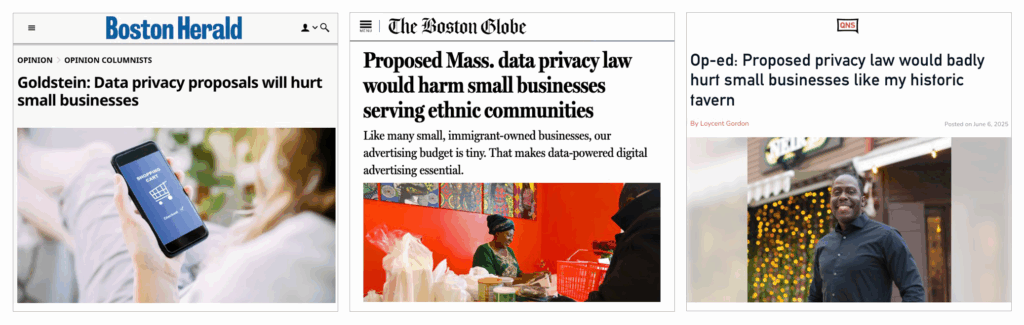
In New York, Loycent Gordon of Neir’s Tavern similarly warned that a well-intentioned bill risked making it harder for small businesses to advertise effectively, reach new customers, and compete.
As lawmakers continue debating the future of data privacy, small businesses must remain front and center. It’s time for Congress to pass a national data privacy framework that protects consumers while giving small businesses a single, clear, workable set of rules. Consumers deserve strong protections. Small businesses deserve clarity and certainty.